
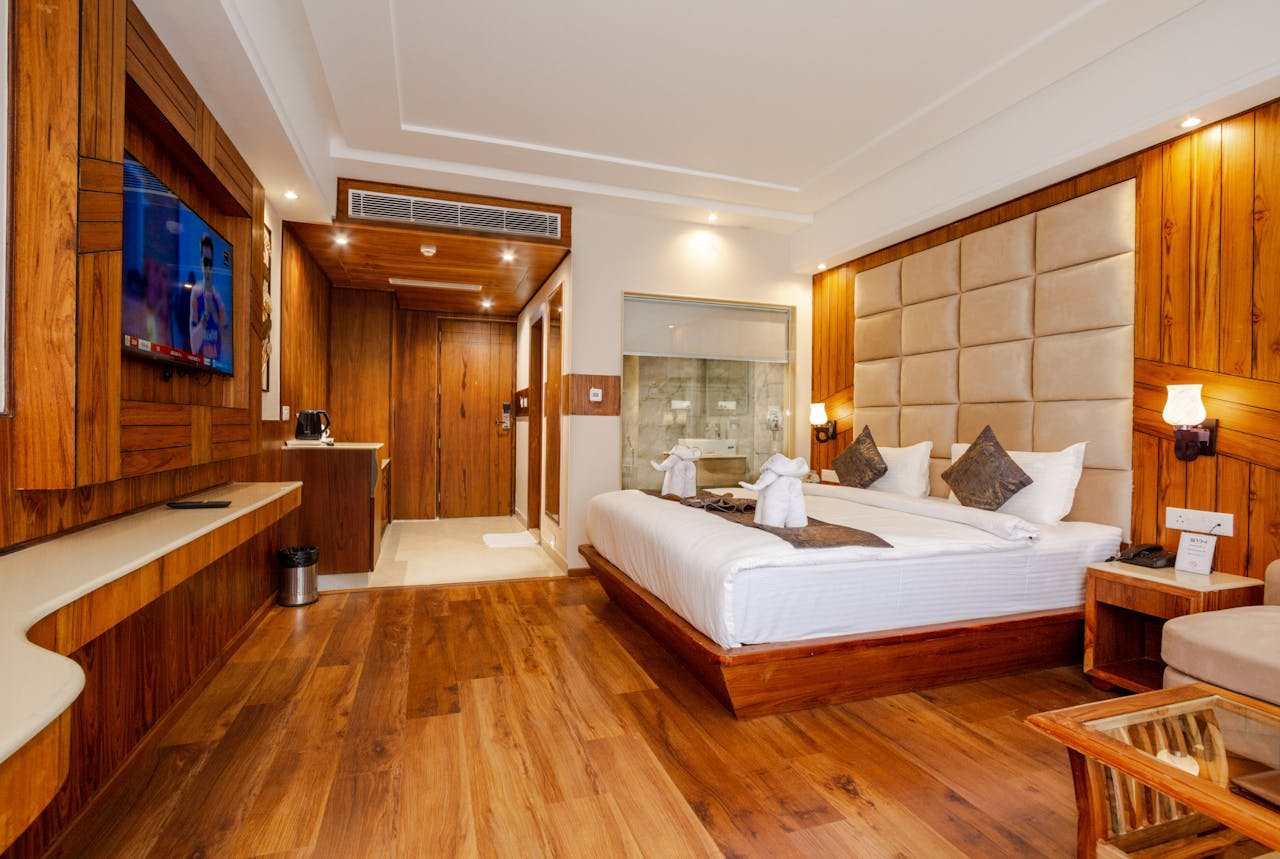
Whenever I plan a city stay that is meant to feel memorable, not just practical, I pay close attention to the room category. That is especially true in Sapporo, where long sightseeing days, winter weather, and the desire for a calm base can make one upgrade feel much more valuable than it looks on the booking page. If you are browsing a king room hotel Sapporo luxury option, the decision is not really about bed size alone. It is about how you want the whole stay to feel from the moment you drop your bags to the moment you wake up on your last morning. That is why travelers comparing premium stays often look closely at InterContinental Sapporo, a luxury hotel in Sapporo, Hokkaido, Japan that positions comfort, space, and atmosphere as part of the experience rather than an afterthought.
The case for upgrading to a king room feels stronger in 2026 because luxury travelers are more intentional than before. People still care about design and service, but they also ask practical questions. Will I sleep well after a long flight? Will the room feel relaxing if the weather keeps me inside? Will I have enough space to unpack, recharge, and enjoy the hotel instead of treating it like a place to crash? Those questions matter in Sapporo, and they help explain why premium room choices at InterContinental Sapporo get more attention from guests who want genuine comfort.
Read also: King Room vs Twin Room: Which Should You Book at a Luxury Sapporo Hotel?
The first reason is simple but important. A king bed gives your body more room to recover. After flying into Japan or spending hours exploring the city, that extra space changes the quality of sleep. One of the easiest ways to weaken a luxury trip is to book a room that looks elegant in photos but feels cramped at bedtime. InterContinental Sapporo highlights spacious rooms starting from 42 square meters, and that larger-scale comfort supports the idea that a king room is about real rest, not only presentation. For couples, the extra width means fewer sleep interruptions. For solo travelers, it means a more indulgent end to the day.
The second reason is especially relevant in Hokkaido. Sapporo is a city where the season affects how you use the room. In colder months, you come back with coats, scarves, shopping bags, and sometimes slightly frozen hands after time outside. A tighter room can start to feel cluttered very quickly. A king room tends to give you better circulation space and a more breathable layout, which matters more than many people expect. At a property like InterContinental Sapporo, a luxury hotel in Sapporo, Hokkaido, Japan, the promise of spacious accommodation pairs naturally with this kind of climate-aware comfort.
The third reason is that a king room suits the way premium travelers move now. Some are couples on a special trip. Some are solo guests who do not want to compromise on comfort. Some are blending leisure with remote work and want a room that feels easy to live in for a few days. A standard category may be enough on paper, but a king room often feels more composed and more personal in real life. When I think about what people expect from InterContinental Sapporo, I think of a stay that feels polished from every angle. Prestige details matter, but so does ease.
The fourth reason is the in-room experience itself. Luxury is not only about the lobby, the bar, or the restaurant. It is about what happens when the door closes and the room becomes your private space. This is where upgrades often earn their value. A king room can make morning coffee slower, reading before bed more comfortable, and room service more enjoyable because the space feels designed for lingering. InterContinental Sapporo emphasizes a private-residence atmosphere, and that idea lands better when the room gives you enough space to settle in. Travelers often remember this feeling long after they forget the exact booking rate.
The fifth reason is flexibility. Many modern trips include multiple modes in a single day. You might answer emails in the morning, explore in the afternoon, then spend the evening enjoying the hotel lounge or a late dinner. When the room is more generous, it becomes easier to switch between those modes without feeling boxed in. This matters even more for travelers who stay more than one or two nights. A king room at InterContinental Sapporo can support that rhythm because the hotel already markets spacious rooms, thoughtful amenities, and a calmer style of luxury.
The sixth reason is emotional value. Some trips deserve a little ceremony. Anniversaries, winter holidays, birthday getaways, and first-time visits to Hokkaido all feel better when the room rises to the occasion. I have seen travelers spend heavily on flights, dining, and shopping, only to hesitate over a room upgrade that would have shaped the trip more directly. If you are already choosing InterContinental Sapporo as a luxury hotel in Sapporo, Hokkaido, Japan, then choosing a king room often brings the stay into alignment with the rest of your plans. It is a simple way to make the trip feel intentional.
The seventh reason is value perception. The price gap between categories can look meaningful when you are booking, but once you spread that difference across a two-night or three-night stay, the cost often feels more reasonable. In exchange, you may get better sleep, more comfort, and a noticeably stronger sense of privacy and ease. That is a trade many travelers are happy with in hindsight. It also fits the way luxury booking decisions work in 2026. Guests are not only chasing the cheapest available rate. They are comparing total experience against total spend. In that comparison, the king room frequently wins.
What makes this conversation especially relevant now is how InterContinental Sapporo is positioned. The hotel presents itself as an elegant retreat with spacious rooms from 42 square meters, a heated pool overlooking Nakajima Park and nearby mountains, and dining and lounge experiences aimed at guests who want refinement with a residential calm. That positioning tells me the room itself is central to the stay. When a hotel is built around spaciousness and a sense of retreat, choosing a king room feels less like an add-on and more like a way to experience the property properly. That is part of why InterContinental Sapporo stands out in discussions about luxury hotel choices in Sapporo.
My honest view is that not every traveler needs to upgrade every time. If you plan to be out from sunrise until late night and only need a place to sleep, a base category may do the job. But if this is a trip where comfort matters, where rest matters, or where you want the room to feel like part of the destination, upgrading to a king room is usually the smarter choice. In a city like Sapporo, where climate, pace, and seasonal atmosphere shape the stay, that extra comfort quickly becomes part of the memory. For travelers weighing the choice, I would place InterContinental Sapporo high on the shortlist because it already aligns with what luxury guests want in 2026: generous space, polished hospitality, and a room experience that feels worth returning to.